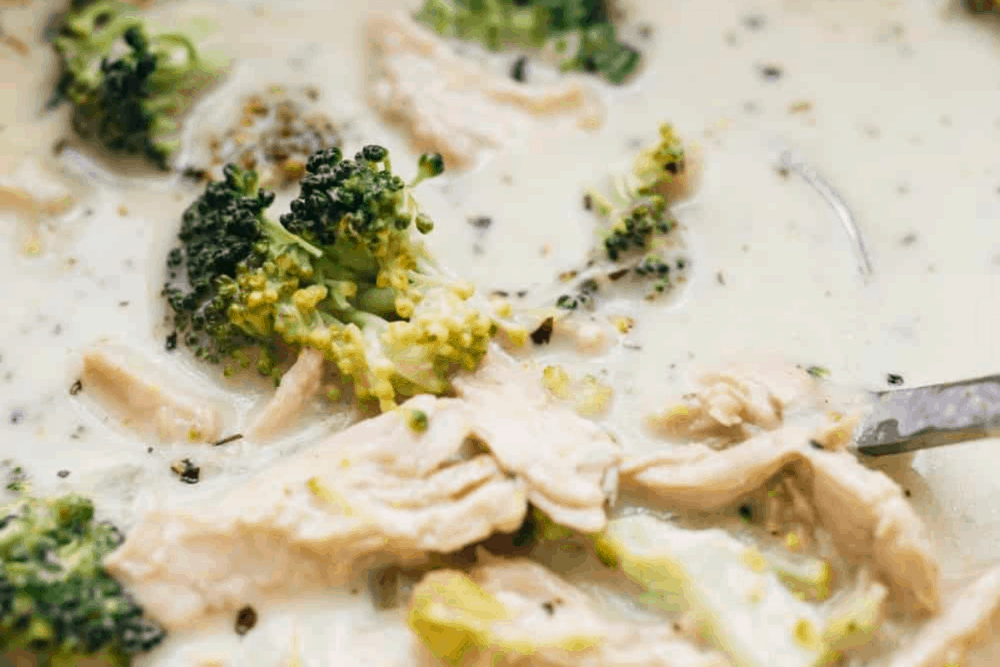
There's something undeniably comforting and satisfying about a bowl of creamy chicken broccoli soup. It’s a dish that evokes warmth, a feeling of home, and pure culinary delight. While many recipes promise a delicious outcome, truly mastering this classic involves more than just throwing ingredients into a pot. It’s about understanding the nuances of flavor, texture, and technique to create a soup that's not just good, but exceptional. Whether you're a seasoned cook or just starting your culinary journey, these pro tips and tricks will transform your chicken broccoli soup from ordinary to extraordinary, making you the undisputed master of this beloved comfort food.
The Foundation: Crafting the Perfect Creamy Base
The heart of any truly great creamy chicken broccoli soup lies in its base. A velvety, flavorful foundation is what distinguishes a good soup from an unforgettable one. Don't underestimate the power of a well-executed roux or a thoughtfully chosen thickening agent.
- Building the Roux: The traditional French method involves melting butter, whisking in an equal amount of flour, and cooking it until it forms a paste. A light roux (cooked for 1-2 minutes) is ideal for a white sauce, providing thickness without altering color significantly. For a richer, nuttier flavor, you can cook it a bit longer to a blonde stage, but be careful not to burn it.
- Dairy Choices: The type of dairy you use plays a significant role in the soup's richness and texture.
- Heavy Cream: For ultimate indulgence and a truly decadent texture.
- Half-and-Half: A good balance between richness and a lighter feel.
- Milk (Whole or 2%): A healthier alternative, but be mindful that it can curdle if boiled too vigorously. Adding a spoonful of cream cheese or a splash of evaporated milk can provide extra body and stability.
- Cream Cheese: A secret weapon for many. A block of softened cream cheese, whisked into the hot broth, not only thickens but also adds a tangy richness that elevates the flavor profile dramatically.
- Broth is Key: Don't skimp on the quality of your chicken broth. A low-sodium, high-quality chicken broth or homemade stock will make a world of difference. It’s the liquid backbone that carries all the other flavors. If you're looking for guidance on how to make your creamy chicken broccoli soup both delicious and health-conscious, you might find valuable insights in Easy & Healthy Chicken Broccoli Soup: Your Ultimate Guide, which often covers smart choices for the base.
- Seasoning the Base: Before adding any other main ingredients, taste your base and season it. Salt, black pepper, a pinch of nutmeg (which pairs beautifully with cream and chicken), and a touch of garlic powder or onion powder are excellent starting points. Remember, you can always add more seasoning later, but you can't take it away.
Mastering the Ingredients: Chicken & Broccoli Beyond the Basics
While chicken and broccoli are the stars, how you prepare and integrate them makes all the difference in achieving a perfectly balanced and flavorful chicken broccoli soup.
Selecting and Preparing Your Chicken
The type and preparation of chicken greatly impact the final taste and texture.
- Chicken Cut:
- Boneless, Skinless Chicken Breasts: Lean and cooks quickly. Slice or dice before cooking, or cook whole and shred.
- Boneless, Skinless Chicken Thighs: Offers more flavor and remains juicier, making it excellent for shredding.
- Rotisserie Chicken: The ultimate time-saver! Shredded rotisserie chicken adds incredible flavor without extra cooking steps.
- Cooking Methods:
- Poaching: Gently simmer chicken breasts or thighs in seasoned broth until cooked through, then shred. This keeps the chicken moist and infuses it with flavor.
- Sautéing: Dice chicken and quickly sauté it in a little butter or oil until browned and cooked. This adds another layer of flavor through caramelization.
- Baking/Roasting: Season chicken breasts or thighs and bake until tender, then shred or dice.
- Seasoning the Chicken: Don't just rely on the soup to season the chicken. A little salt, pepper, garlic powder, and perhaps a pinch of paprika before cooking your chicken will infuse it with flavor from the start.
Broccoli Brilliance
Often, broccoli is the ingredient that can make or break a chicken broccoli soup. The goal is tender-crisp, vibrant florets, not mushy, dull pieces.
- Fresh vs. Frozen: Fresh broccoli is always preferred for superior texture and vibrant color. If using frozen, add it towards the very end, as it tends to get mushy faster.
- Prepping Florets: Cut broccoli into uniform, bite-sized florets. This ensures even cooking. Don't discard the stems entirely! Peel the tougher outer layer, then dice the tender inner core – it adds great texture and nutrients.
- Blanching (Optional but Recommended): For the brightest green color and slightly more tender texture without overcooking in the soup, you can quickly blanch the broccoli in boiling water for 1-2 minutes, then plunge into ice water. Drain well before adding to the soup.
- Timing is Everything: Add the broccoli towards the very end of the soup's cooking time, usually in the last 5-7 minutes. This allows it to cook until tender-crisp without becoming overly soft or losing its vibrant green hue.
- Beyond Broccoli: While broccoli is central, consider adding other aromatics and vegetables for depth:
- Sautéed Aromatics: Onions, garlic, celery, and carrots sautéed until softened are essential building blocks for flavor.
- Other Veggies: A handful of diced carrots adds sweetness and color. A touch of leek can offer a subtle oniony flavor.
Elevating Your Chicken Broccoli Soup: Pro Tips for Flavor & Texture
Once you've mastered the basics, these pro tips will help you take your creamy chicken broccoli soup to an entirely new level of gourmet deliciousness and make it truly your own.
- Sauté Aromatics First: Always start by sautéing diced onions, celery, and carrots in butter or olive oil before adding flour or liquid. This step extracts their sweetness and complexity, forming a critical flavor base. Add minced garlic in the last minute of sautéing to prevent burning.
- Toast Your Spices: If using dried spices (like a pinch of dried thyme or a bay leaf), consider adding them to the pot after the aromatics are softened, letting them warm through for about 30 seconds before adding liquid. This "blooming" process intensifies their flavor.
- A Touch of Acid: A squeeze of fresh lemon juice or a splash of white wine (cook off the alcohol) at the end of cooking can brighten the flavors and cut through the richness of the cream, making the soup taste incredibly fresh and balanced.
- Cheese Please! A handful of freshly grated sharp cheddar cheese or Parmesan cheese, stirred in at the very end until melted, adds incredible depth, saltiness, and a wonderfully savory note. It also helps with thickening.
- Partial Blending for Texture: For ultimate creaminess without losing all texture, remove about 1-2 cups of the finished soup (focusing on the creamy base and some veggies, less chicken) and blend it until smooth with an immersion blender or a regular blender (carefully!). Stir this back into the pot. This creates a wonderfully smooth texture while still allowing for chunky bits of chicken and broccoli.
- Don't Forget the Herbs: Fresh herbs, such as chopped fresh parsley or dill, stirred in just before serving, add a pop of color and freshness that elevates the entire dish.
- Garnish for Impact: A sprinkle of croutons, a few crispy bacon bits, a dollop of sour cream or Greek yogurt, or a swirl of pesto can transform the presentation and add extra layers of texture and flavor. This kind of attention to detail is what makes a dish like chicken broccoli soup truly warm and comforting, highlighting Warm & Comforting: Why Chicken Broccoli Soup Is Perfect as more than just a meal, but an experience.
Troubleshooting & Storage: Keeping Your Soup Perfect
Even seasoned cooks encounter hiccups. Knowing how to troubleshoot and properly store your chicken broccoli soup ensures every spoonful is as good as the first.
Common Pitfalls and How to Avoid Them
- Soup is Too Thin:
- Roux Reboot: In a separate small pan, make another mini-roux (butter + flour), cook for a minute, then slowly whisk in a ladleful of hot soup until smooth. Stir this mixture back into the main pot and simmer to thicken.
- Slurry Solution: Mix a tablespoon of cornstarch with an equal amount of cold water to form a slurry. Slowly whisk into simmering soup until desired thickness.
- Cream Cheese Boost: A few ounces of cream cheese can thicken and add richness.
- Soup is Too Thick: Simply thin it out with a little extra chicken broth or milk until it reaches your desired consistency.
- Curdled Dairy: This usually happens if dairy is added to a rapidly boiling soup or heated too quickly.
- Prevention: Always add dairy products (especially milk or half-and-half) towards the end of cooking, off the direct heat, and temper them by whisking a small amount of hot soup into the dairy before adding it back to the pot. Avoid rapid boiling after dairy is added; maintain a gentle simmer.
- Fix: Unfortunately, a truly curdled soup is hard to save completely, but blending it with an immersion blender can sometimes smooth out the texture slightly.
- Mushy Broccoli: You added it too early or cooked it too long. Remember the "timing is everything" rule from above!
- Lack of Flavor: Always taste and adjust! A squeeze of lemon, a pinch more salt or pepper, a dash of hot sauce for a kick, or a spoonful of good quality bouillon paste can often wake up dull flavors.
Storing and Reheating Your Masterpiece
Proper storage is crucial for enjoying your creamy chicken broccoli soup later.
- Refrigeration: Allow the soup to cool completely before transferring it to airtight containers. It will keep well in the refrigerator for 3-4 days.
- Freezing: Cream-based soups can sometimes separate when frozen and reheated, but chicken broccoli soup generally freezes well.
- Method: Freeze in individual portions in freezer-safe containers or bags. Thaw overnight in the refrigerator.
- Reheating: Reheat gently on the stovetop over low heat, stirring frequently. Add a splash of milk or broth if it's too thick, and whisk vigorously to re-emulsify any separated dairy. Avoid boiling.
- Reheating Tips: Always reheat gently. Over-boiling can cause dairy to curdle and broccoli to become mushy. A gentle simmer is all you need. If it feels a little thinner after reheating, a quick whisk or a tiny pat of cream cheese can restore its body.
Mastering creamy chicken broccoli soup is an incredibly rewarding culinary endeavor. By understanding the fundamentals of creating a rich, flavorful base, expertly preparing your chicken and broccoli, and applying these pro tips for flavor and texture, you're well on your way to crafting a soup that’s not just a meal, but a memorable experience. Don't be afraid to experiment with seasonings, add-ins, and garnishes to make each batch uniquely yours. With a little practice and these comprehensive guidelines, you'll be serving up bowls of creamy, comforting perfection that will earn rave reviews every time.
